
🎓 A Smarter Way to Start a Career in Beauty—Without High Tuition💄✂️
The U.S. beauty industry is booming, with careers in cosmetology, hairstyling, skincare, and nails. Many avoid it due to high tuition, lack of experience, or job uncertainty.
Government-supported Registered Apprenticeships let you earn while you learn, providing real-world training and a direct path into the profession—no traditional school required.
What Are Government-Supported Cosmetology Programs?
Government-supported cosmetology programs are typically offered through Registered Apprenticeships. These programs are officially recognized, regulated, and listed on Apprenticeship.gov, the U.S. government’s official apprenticeship platform.
Key characteristics include:
- Government-registered and regulated
- Job-based, not classroom-only
- Paid training during the program
- Structured skill progression
- Aligned with employer hiring needs
Participants are hired as apprentices, meaning they work while learning professional cosmetology skills.
How the Earn-While-You-Learn Model Works
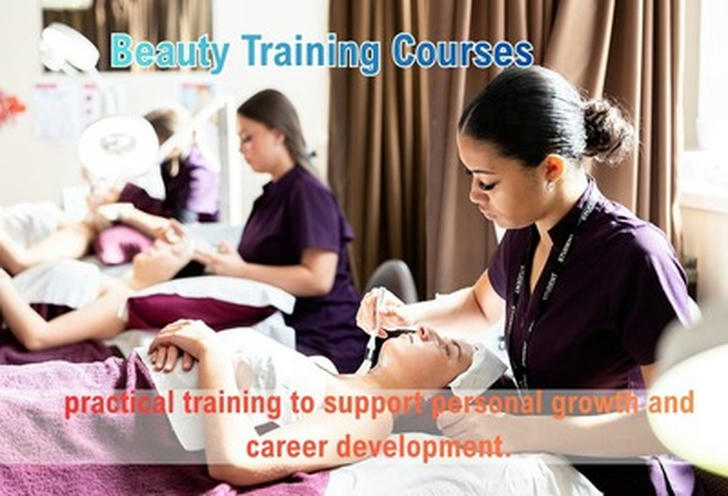
In a registered cosmetology apprenticeship, participants receive hands-on training in real salon or beauty service environments under supervision.
Typical features include:
- Training duration of about 12 months (varies by program)
- Hourly wages paid during training
- Skill development tied to real job duties
- Progressive responsibility as skills improve
This model allows apprentices to gain experience and income at the same time, reducing the financial risk of career training.
Key Advantages of This Path
Registered Cosmetology Apprenticeships offer clear benefits for those starting a beauty career:
- Low Cost – little to no upfront tuition.
- Paid Training – earn wages while learning.
- Job-Ready Skills – hands-on experience in real work environments.
These advantages make it a practical, low-risk path for building a long-term career in cosmetology.
These programs are especially appealing to:
- Career changers
- Individuals avoiding student loans
- Young adults entering the workforce
- People seeking stable, skill-based careers
Because they combine paid work with government oversight, these programs often convert better than traditional education offers.
Skills You Can Learn in a Cosmetology Apprenticeship
Training focuses on practical, in-demand skills, including:
- Hair cutting, styling, and finishing
- Shampooing, conditioning, and scalp care
- Hair coloring, bleaching, and chemical services
- Permanent waving and straightening
- Basic skincare and cosmetic application
- Nail care, including manicures and pedicures
- Client consultation and service standards
- Workplace sanitation and safety practices
These skills align closely with state cosmetology licensing requirements.
💼 Beauty Career Pathways by Age
| Age | Goal | Key Skills & Advantages | Career Path |
|---|---|---|---|
| 18–25 | Explore interests | Intro courses, hands-on practice, mentorship | Junior stylist → Advanced certifications |
| 26–35 | Fast-track career | Diploma programs, practical workshops, funding | Hairstylist / Esthetician → Team lead / Freelance |
| 36–45 | Career transition | Hybrid learning, one-on-one mentorship, certification | Salon owner, Makeup artist, Medical esthetics |
| 46+ | Upskill & confidence | Flexible schedules, mentor guidance, practical modules | Advanced roles, portfolio growth, consultancy |
✨ Why It Matters: Structured goals, skill-building, and clear career pathways maximize employability, earning potential, and long-term growth in the beauty industry.
Who Is Eligible to Apply?
Registered cosmetology apprenticeships are designed to be accessible, even for beginners.
Common eligibility requirements include:
- Minimum age of 16 (varies by state or program)
- High school diploma or GED
- Legal authorization to work in the United States
- Ability to perform essential job functions
Most programs do not require prior cosmetology experience.
Registered Apprenticeship vs. Traditional Beauty School
| Feature | Registered Apprenticeship | Traditional Beauty School |
|---|---|---|
| Upfront tuition | Low or none | Often high |
| Income during training | Yes | No |
| Real job experience | Yes | Limited |
| Government oversight | Yes | No |
| Employment alignment | Strong | Variable |
This comparison explains why many candidates are choosing apprenticeship-based training over traditional schooling.
How to Find Government-Registered Cosmetology Programs
Official cosmetology apprenticeships can be found through:
- Apprenticeship.gov (U.S. Department of Labor)
- State workforce development agencies
- Approved apprenticeship sponsors
Only programs listed through official government channels qualify as Registered Apprenticeships. Availability depends on employer demand, and positions may be limited.
Frequently Asked Questions (FAQ)
Is this really a government-supported program?
Yes. Registered Apprenticeships are overseen by federal or state apprenticeship authorities.
Do apprentices get paid during training?
Most registered apprenticeships provide hourly wages while participants are training.
Do I need cosmetology experience to apply?
No. Many programs are designed for individuals with no prior beauty experience.
Is this the same as attending a beauty school?
No. Apprenticeships focus on paid, on-the-job training rather than classroom-only education.
Can this lead to long-term employment?
Yes. These programs are designed to prepare participants for ongoing careers in the beauty industry.
If you want to start a cosmetology career without taking on high education debt, a government-supported registered apprenticeship may be a practical option.
By combining paid work, structured training, and real-world experience, these programs offer a clear pathway into the beauty profession while earning income during the learning process.