
Affordable Dental Implants for Seniors: Your Complete 2026 Guide to a Confident Smile😊
Are you or a loved one considering dental implants but worried about cost or suitability? You're not alone. With 23% of people aged over 60 having no natural teeth, tooth loss is a common challenge. The good news is that modern dentistry offers reliable and increasingly accessible solutions.
Provincial seniors’ dental plans, university dental schools, and nonprofit clinics in Canada help bridge the cost gap, giving seniors access to affordable dental implants.
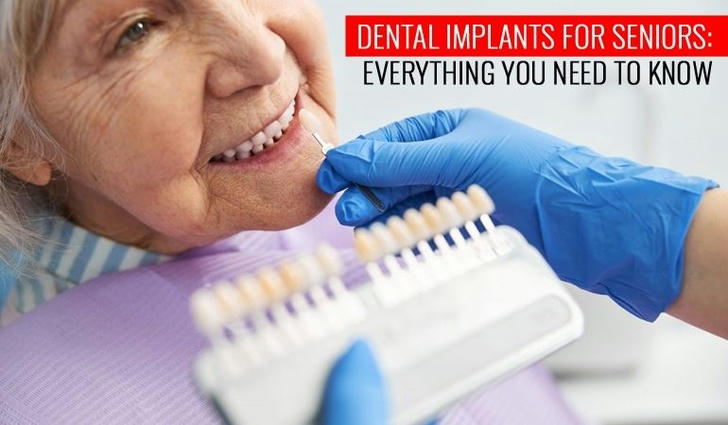
✨Why Dental Implants Matter for Seniors
Dental implants are a durable, natural-looking solution for missing teeth. For seniors, they not only restore a confident smile but also improve chewing ability, nutrition, and oral health. Unlike dentures, implants are permanent and help prevent bone loss in the jaw, supporting long-term oral wellness.
🏥 Programs Helping Seniors Access Affordable Dental Implants
Seniors seeking dental implants in Canada can take advantage of provincial programs and university clinics to reduce costs:
- Ontario Seniors Dental Care Program (OSDCP) – It covers basic dental services to provide necessary pre-treatment support for dental implants and reduce overall treatment costs.
- British Columbia – Fair PharmaCare – Offers partial coverage for seniors’ dental care based on income.
- University Dental Schools (e.g., University of Toronto, UBC) – Supervised clinics provide quality implants at lower fees.
By using these programs, seniors can access licensed dental implants at affordable rates, with options like flexible payment plans, helping make long-lasting dental care financially manageable.
👥 Who May Qualify?
These programs are particularly geared toward:
- Adults earning moderate to low income
- Individuals not covered by dental insurance
- Seniors living on fixed retirement income
- Residents in underserved areas with limited access to private providers
Programs may request documentation to confirm eligibility, such as pay stubs or proof of residence, depending on the funding source.
🧩 How Institutional and Community Support Helps
Government and nonprofit initiatives work with accredited providers to make dental implants more attainable:
- Sliding-scale pricing adjusted by income
- Care provided by licensed professionals in university or partner clinics
- Structured payment plans to spread costs over time
- Use of Health Canada-approved implant materials
🧓 Dental implant services in Canada for people aged 55 and over
In Canada, there are important dental benefits to consider when people aged 55 and older seek dental implant services. The Canada Dental Care Plan (CDCP) is a key federally-led program designed to provide dental healthcare support to low- and middle-income families.
For seniors aged 55 and older, all eligible Canadian residents can apply for the CDCP online starting May 1, 2025. Applications for those aged 55 to 64 will open on May 1, 2025. Key eligibility criteria include: a net household income of less than $90,000 CAD, no private dental insurance, and being a Canadian tax resident who has filed a tax return for the previous year.
It's important to understand that the CDCP primarily supports basic dental care, such as checkups, cleanings, fillings, and extractions; dental implants are generally not covered under the program's regular reimbursement. For eligible low-income seniors aged 65 and older, provinces like Ontario also offer provincial dental care plans for seniors (such as the OSDCP).
🏙️ Guide to finding dental clinics in major Canadian cities
| City/Region | Suggested Search Method | Key considerations and potential resources |
|---|---|---|
| Toronto | Ontario Dental Association: Use their official website's "Find a Dentist" tool to filter by specialty (e.g., implant and restoration). | Ontario is a major provider of the CDCP and OSDCP (Ontario Senior Dental Plan), so prioritize consulting clinics participating in these programs. |
| University-affiliated clinics: The University of Toronto Faculty of Dentistry may offer teaching clinic services supervised by specialists at relatively lower costs. | Some clinics, such as Hua Kang Dental Clinic, explicitly state on their websites that they can assist patients with applying for government benefits like the CDCP. | |
| Vancouver | British Columbia Dental Association: Find licensed dentists and specialists through their official channels. | British Columbia has a dental subsidy program for low-income residents; inquire with clinics or health departments about eligibility. |
| Ask your general dentist for referrals: Your family dentist can often recommend reputable implant specialists. | Some clinics specialize in assisting with post-dental tourism care. | |
| Montreal | Quebec Dental Association: Use the search function on their French or English website. | Some clinics emphasize their CDCP application assistance services in their promotions, such as Alpha Dental Clinic in Montreal. |
| Dental specialist clinics: Directly search for "Periodontist" or "Prosthodontist," as they are the mainstays of implant surgery. | ||
| Calgary | Alberta Dental Association: Verify dentist qualifications and find members through the association's website. | When consulting, be sure to ask if the clinic accepts and assists with CDCP reimbursement, and what payment options they offer for dental implants not covered by CDCP. |
📝 How to Apply for Affordable Dental Implants
Seniors can follow these simple steps:
- Check Eligibility – Age, income, and residency requirements.
- Find Programs – Provincial dental plans, university clinics, or nonprofit foundations.
- Prepare Documents – Proof of income, residency, or dental need.
- Compare Options – Request quotes and ask about payment plans.
- Claim Tax Credits – Keep receipts for Medical Expense Tax Credits.
Following these steps helps seniors access affordable, licensed dental implants without financial stress.
💰 Why These Options Matter
Private implant clinics in Canada can cost $3,000–$6,000 per tooth, making them unaffordable for many seniors. Combining government programs, nonprofit support, and teaching clinics allows seniors to access implants at a fraction of the price, maintaining oral health and quality of life.
🛠️ Making Implants Affordable for Seniors
With the right resources, seniors no longer need to forego dental implants due to cost:
- Use provincial programs as a starting point
- Explore community clinics and dental school programs
- Take advantage of grants, sliding-scale fees, and payment plans
- Keep records for tax credits to maximize savings
🦷 Access to dental implants should not be limited by income. Seniors can restore their smile and oral health affordably with available support.