
Publicly support Senior Pet Owner Assistance Program and Affordable Pet Insurance Guide (2026)
✨ 2026 Senior Pet Owner Financial Assistance (Government Support) | Pet Food Assistances ✨
This guide explains how publicly funded assistance programs and insurance can support senior pet owners, including:
🩺 Reduced-cost veterinary services and financial aid for essential care
🥫 Access to community-based pet food banks and essential supplies
🛡️ Affordable, senior-focused insurance plans for long-term medical coverage
📋 Clear application pathways to access emergency and preventative support
⚠️ Why Pet Insurance and Assistance Are Essential for Seniors and Low-Income Owners
For seniors and low-income families, an unexpected vet bill or a spike in pet food prices can trigger a crisis. Often, these financial hurdles force tough decisions: routine veterinary care like checkups and vaccinations may be skipped, and in worst-case scenarios, owners may be forced to give up their pets.
Preventative Care: The First Line of Defense
When money is tight, preventative measures are often the first to go. Delaying regular exams and vaccinations can make minor health issues spiral into costly emergencies:
- Chronic diseases (such as kidney problems or diabetes) go undetected and become more expensive to treat.
- Dental issues worsen, leading to infections and shorter lifespans.
- Behavioral problems escalate, sometimes resulting in abandonment.
Comprehensive, affordable pet insurance and community benefit plans help seniors maintain preventative care, reducing the risk of severe illness and spreading out costs over time.
It's important to note that most cases of pet abandonment are driven not by lack of love, but by financial hardship. Community programs—including subsidized veterinary care, payment plans, and emergency medical funds—form a safety net that:
- Reduces the burden of emergency medical expenses
- Provides access to basic care and pet food
- Helps prevent heart-wrenching decisions to surrender pets
For seniors, these resources are critical—they not only protect animal health but also support the treasured human-animal bond, making it possible for older adults to keep their companions through tough times.
🐾 What Publicly Funded Pet Assistance Covers in 2026
In 2026, senior pet owners can turn to a spectrum of support coordinated by state and federal agencies, nonprofit organizations, and community partners. These programs typically offer:
- Reduced-cost veterinary services: Covering essential health checks, preventive care, and emergency treatment
- Vaccination and parasite prevention support
- Spay/neuter assistance: Ensuring pets are healthy and helping control the animal population
- Reliable access to pet food: Through community food banks and donation drives
- Basic supplies: Such as leashes, litter, bedding, and occasionally toys and carriers (as available)
Priority is often given to seniors and low-income households to make sure those most at risk receive help first.
Mobile and Community-Based Care
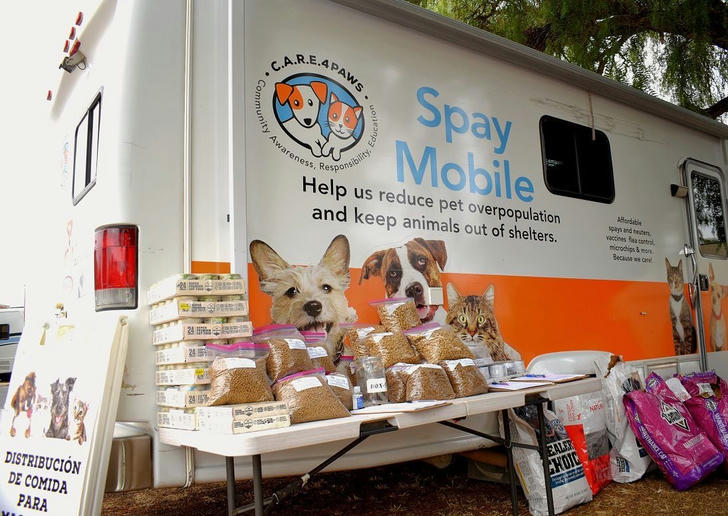
Organizations like the American Society for the Prevention of Cruelty to Animals (ASPCA) offer mobile spay/neuter clinics and vaccination services, bringing care directly to underserved neighborhoods and helping seniors who may have limited transportation options. These mobile clinics are staffed by licensed veterinarians and offer a range of services at reduced cost or, in some cases, partial free services for those who qualify.
🐾 Veterinary Financial Assistance: Reducing the Medical Burden
Medical expenses are a leading cause of pet abandonment among seniors. Sudden illnesses, injuries, and chronic conditions can quickly lead to bills that are simply unaffordable. To address this, many communities now offer targeted veterinary assistance programs:
How the Aid Works:
- Eligible seniors can apply for veterinary vouchers, which may cover up to several hundred dollars in service fees annually.
- Covered services include spay/neuter surgery, routine exams, emergency care, and even end-of-life counseling.
- These programs work with networks of local clinics to ensure accessibility and serve a wide variety of pets—including dogs, cats, small mammals, and birds (though not all programs cover exotic or farm animals).
Eligibility:
- Applicants usually need to show proof of age and income.
- Some programs require proof of residence.
This support allows seniors to address their pets’ health needs without the fear of unmanageable bills.
🥫 Pet Food Banks: Keeping Pets Nourished
Ensuring pets are well-fed is another major challenge for older adults on fixed incomes, especially as food prices rise. Across the country, pet food banks and community pantries are a lifeline for seniors:
- Pet food is distributed weekly or monthly at community centers, animal shelters, or via local nonprofit organizations.
- Supplies for dogs and cats are standard, with some programs also providing food for small mammals and birds (as stocks allow).
- Many pantries also offer other essentials—like litter, toys, and bedding—when available.
How to Qualify:
- Seniors and low-income households are prioritized, but others experiencing hardship may also qualify.
- Proof of residence and income may be required.
Pet food banks help seniors keep their beloved animals, reducing the risk of malnutrition or forced surrender due to financial hardship.
🧓 Affordable Pet Insurance Plans for Seniors (2026)
Pet Insurance Options for Seniors and Budget-Minded Owners
| Provider | Plan Type | Avg. Monthly Cost | Highlights | Best For |
|---|---|---|---|---|
| Embrace | Accident-Only | $15–$30 | Wellness add-on, no age limit | Seniors needing basic emergency cover |
| Pets Best | Essential | $25–$45 | Flexible deductibles, covers older pets | Owners of pets aged 7+ |
| ASPCA Pet Health | Complete Coverage | $35–$65 | Covers hereditary issues, AARP discount | Seniors seeking comprehensive plans |
| Lemonade | Accident & Illness | $20–$40 | Fast digital claims, multi-pet discount | Tech-savvy owners |
| Nationwide | Whole Pet | $40–$75 | No per-incident limits, exam fee coverage | Maximum coverage seekers |
| Healthy Paws | Complete | $30–$55 | Unlimited payouts, simple plan | Straightforward coverage needers |
| Trupanion | Medical | $50–$90+ | Per-condition deductible, direct vet pay | Owners of breeds with chronic issues |
| Figo | Essential | $22–$48 | Digital health records, 100% reimbursement option | Owners who value tech and flexibility |
Note: Insurance plans typically require pets to be enrolled before advanced age or pre-existing conditions occur. Assistance programs may give priority to seniors, people with disabilities, or low-income families.
🛡️ How to Apply for Pet Assistance
- Prepare Documentation: Gather proof of residence, income (if needed), and pet information.
- Find Local Resources: Contact local animal shelters, rescue groups, or community organizations.
- Apply Early: Aid funds and supplies are limited; early application improves your chances.
- Participate in Events: Attend food bank days, veterinary voucher distributions, or mobile clinic events.
- Consult Your Veterinarian: Many vets know about local and national aid programs and can help with applications.
❓ Frequently Asked Questions
When is the best time to buy pet insurance?
The sooner, the better—but it’s never too late to start.
Is pet insurance worth it?
For seniors and fixed-income families, insurance can help offset major medical costs and emergencies.
Are there publicly funded programs for pet assistance?
Yes, comprehensive resources and community programs are expanding in many areas.
When should pet owners seek help?
Planning ahead and applying early ensures broader support and protection.
Final Thoughts
With increased publicly funded support and community involvement in 2026, the financial burden of pet ownership for seniors is easing. Pet food banks, subsidized veterinary care, and affordable insurance make it possible for older Americans to continue caring for their pets—and for those pets to stay in the loving homes where they belong. Seniors in need of help with pet care should reach out for assistance as soon as possible to ensure their companions remain healthy, happy, and by their side.