
2026 Government-Supported Public Housing Programs & Rental Assistance Guide
✨ Public Housing Assistance 2026 | Government Rental Support | Affordable Housing Aid | Low-Income Housing Relief✨
• Government-supported assistance reduces monthly rent, easing long-term financial burden.
• Affordable housing access expands, providing safer and more stable living options.
• Housing placement services guide families toward suitable units, reducing uncertainty.
• Emergency and temporary housing options protect households during unexpected hardships.
Persistent rises in housing costs continue to affect households nationwide. In 2026, expanded government-supported public housing and rental assistance programs offer vital relief, helping eligible individuals and families secure stable housing while easing the burden of high rent and utilities.
These programs provide structured support—including rental subsidies, affordable housing placement, and utility assistance—to promote greater housing security.
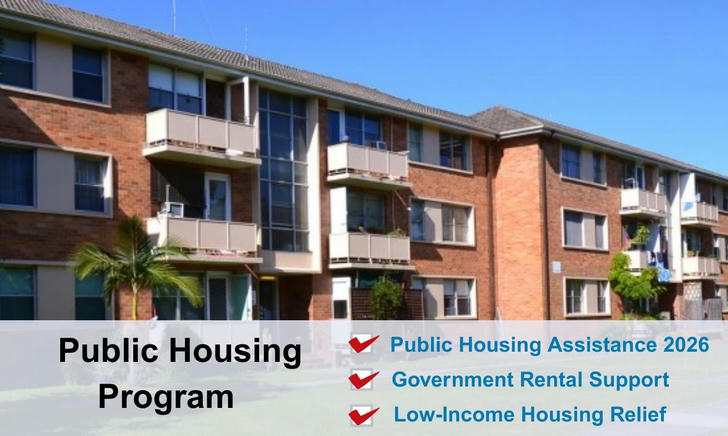
🏠 Scope of Government-Supported Public Housing Projects
Public housing programs in 2026 are designed to deliver comprehensive support, which may include:
| Type of Assistance | Description |
|---|---|
| Monthly Rental Assistance | Financial support to lower ongoing housing costs. |
| Access to Affordable Units | Placement in income-restricted housing developments. |
| Utility Bill Support | Aid for energy costs, including heating, cooling, and weatherization programs. |
| Short-Term Housing Solutions | Emergency accommodations for households in crisis. |
| Placement & Referral Services | Guidance to match applicants with suitable available housing options. |
The core objective of these resources is to ensure safe, stable, and affordable housing is accessible to those facing financial hardship or housing insecurity.
👥 Primary Beneficiaries & Advantages
| Household Type | Primary Benefit |
|---|---|
| Low-income families | Substantial reduction in monthly rent burden |
| Seniors & retirees | Access to stable, age-appropriate affordable housing |
| Single-parent households | Meaningful decrease in overall financial stress |
| Individuals with disabilities | Availability of accessible housing options and modifications |
| First-time renters | Pathway to secure, entry-level affordable housing |
💡 Key Benefits of Housing & Rental Assistance
- Lower monthly housing and utility expenditures
- Enhanced protection against eviction or homelessness
- Improved stability for individuals and family units
- Stronger foundation for long-term financial planning
- Connection to supportive services for vulnerable populations
📝 Prerequisites & Initial Application Steps
Key Eligibility Considerations:
- Household income level relative to Area Median Income (AMI)
- Total number of household members
- Specific local housing authority guidelines
- Current availability of units and length of waiting lists
Recommended Action Steps:
- Investigate available government-supported housing programs at the local and state level.
- Review all published eligibility criteria, including income limits and required documentation.
- Prepare necessary documents (e.g., identification, proof of income, Social Security numbers).
- Submit a complete application as early as possible to secure a position on relevant waiting lists.
- Monitor application status and respond promptly to any requests for additional information.
🏢 Available Rental & Housing Cost Relief Options
Assistance commonly takes several key forms:
- Rent Subsidies to decrease the percentage of income spent on housing.
- Affordable Apartment Placements for eligible applicants.
- Utility Assistance for heating, cooling, or weatherization needs.
- Emergency Housing Options for those displaced by unforeseen circumstances.
- Long-Term Stability Support aimed at preventing eviction and promoting housing retention.
Proactive engagement with these programs is critical for maintaining housing stability and mitigating the risk of homelessness.
🛡 Long-Term Protective Value of Housing Assistance
These programs provide sustained stability by:
- Reducing the overall burden of housing costs.
- Strengthening housing security for at-risk populations.
- Increasing flexibility for household budgeting.
- Supporting consistent employment and community integration.
When integrated with complementary services like financial counseling, housing assistance can significantly improve long-term economic outcomes.
❓ Frequently Asked Questions (FAQ)
| Question | Answer |
|---|---|
| Are these programs available nationwide? | Yes, public housing and rental assistance programs are administered throughout the country, with specific options and rules set by local housing authorities. |
| Who qualifies for rental assistance? | Eligibility is typically determined by income limits, household size, and local criteria. Priority is often given to households experiencing homelessness, displacement, or other urgent needs. |
| What is the expected timeline to receive assistance? | Processing and waiting periods vary significantly based on local demand, unit availability, and applicant priority status. Early application is strongly advised to improve placement prospects. |
💵 Importance of Timely Application
Affordable housing resources remain in high demand with limited availability. Initiating the application process promptly is the most effective strategy for securing placement in a program and achieving lasting housing stability.
🏡 Conclusion
The broadening of government-supported housing and rental assistance programs in 2026 provides increased and more reliable avenues to secure safe, affordable homes. Taking informed and timely action—by understanding eligibility, preparing documentation, and applying early—is essential for obtaining vital relief and building a stable residential foundation.